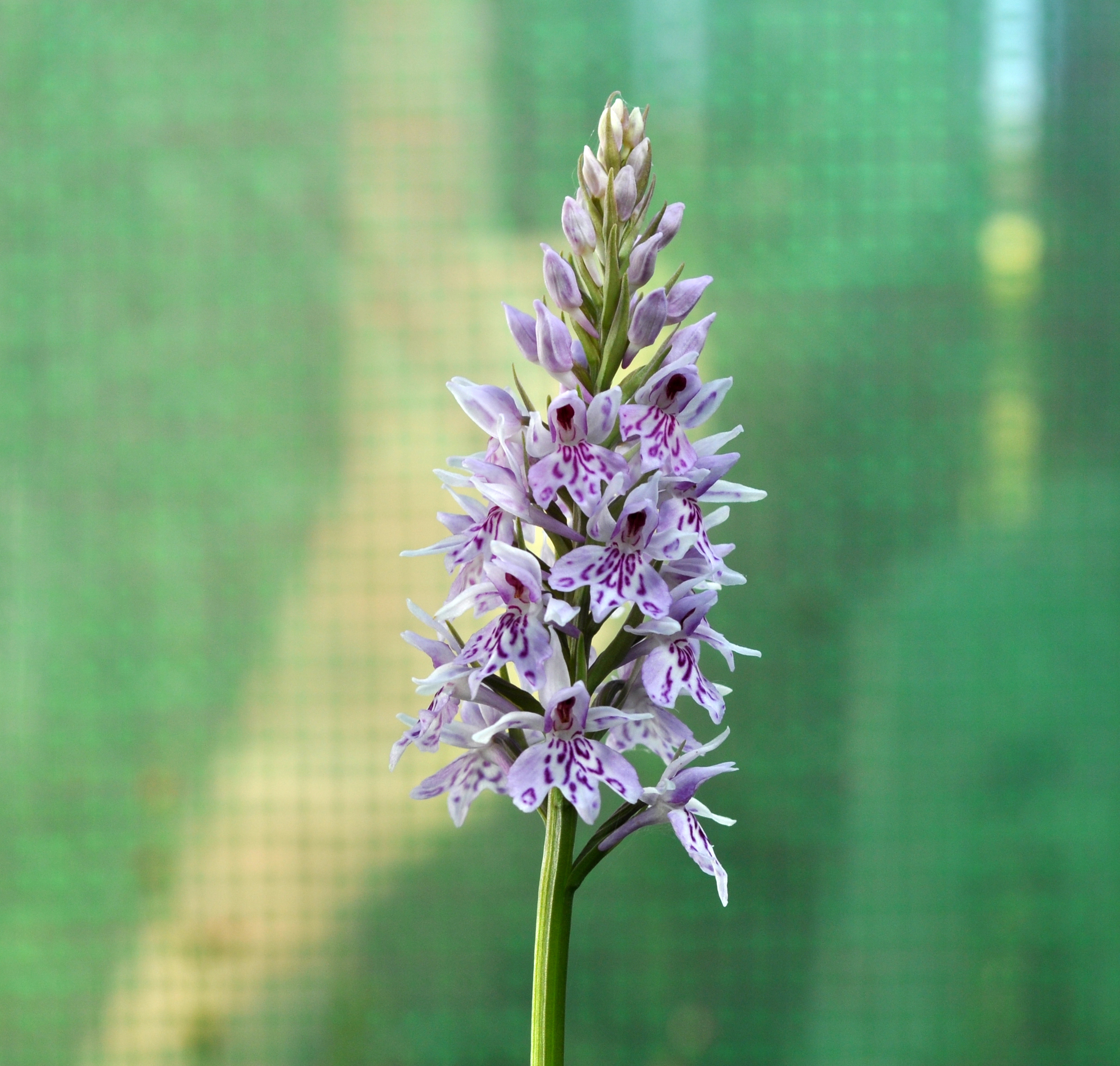
Common Spotted Orchid – Dactylorhiza fuchsii

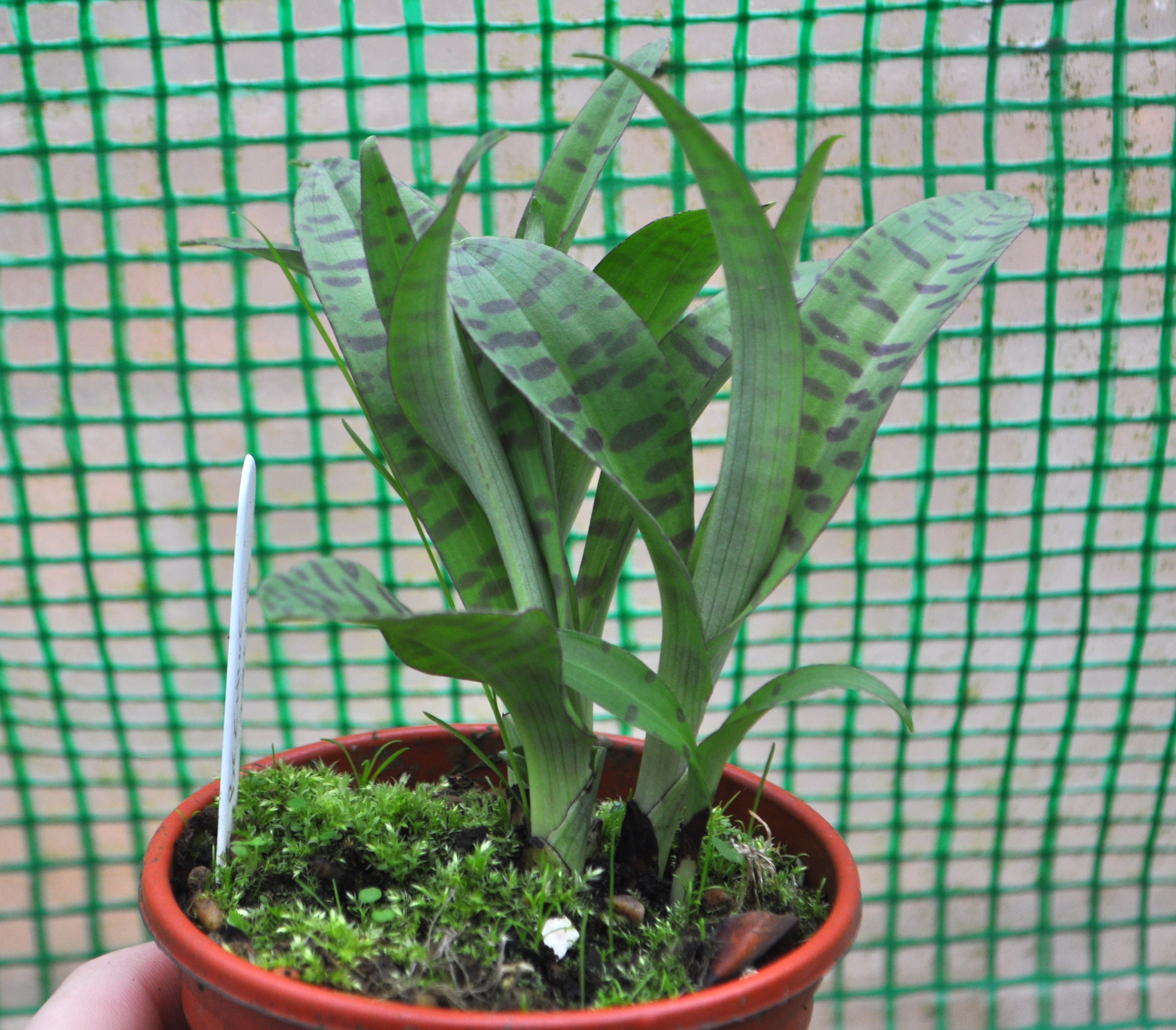
I have a few of these that had self seeded into pots. I wasn’t sure what variety of orchid they were until they flowered. Not thanks to the power of social media I have them identified as Common Spotted Orchid – Dactylorhiza fuchsii. My next challenge is to get them into a kusamono planting next year.


DSC_0364

DSC_0614

DSC_0196

DSC_0195

Sisyrinchium

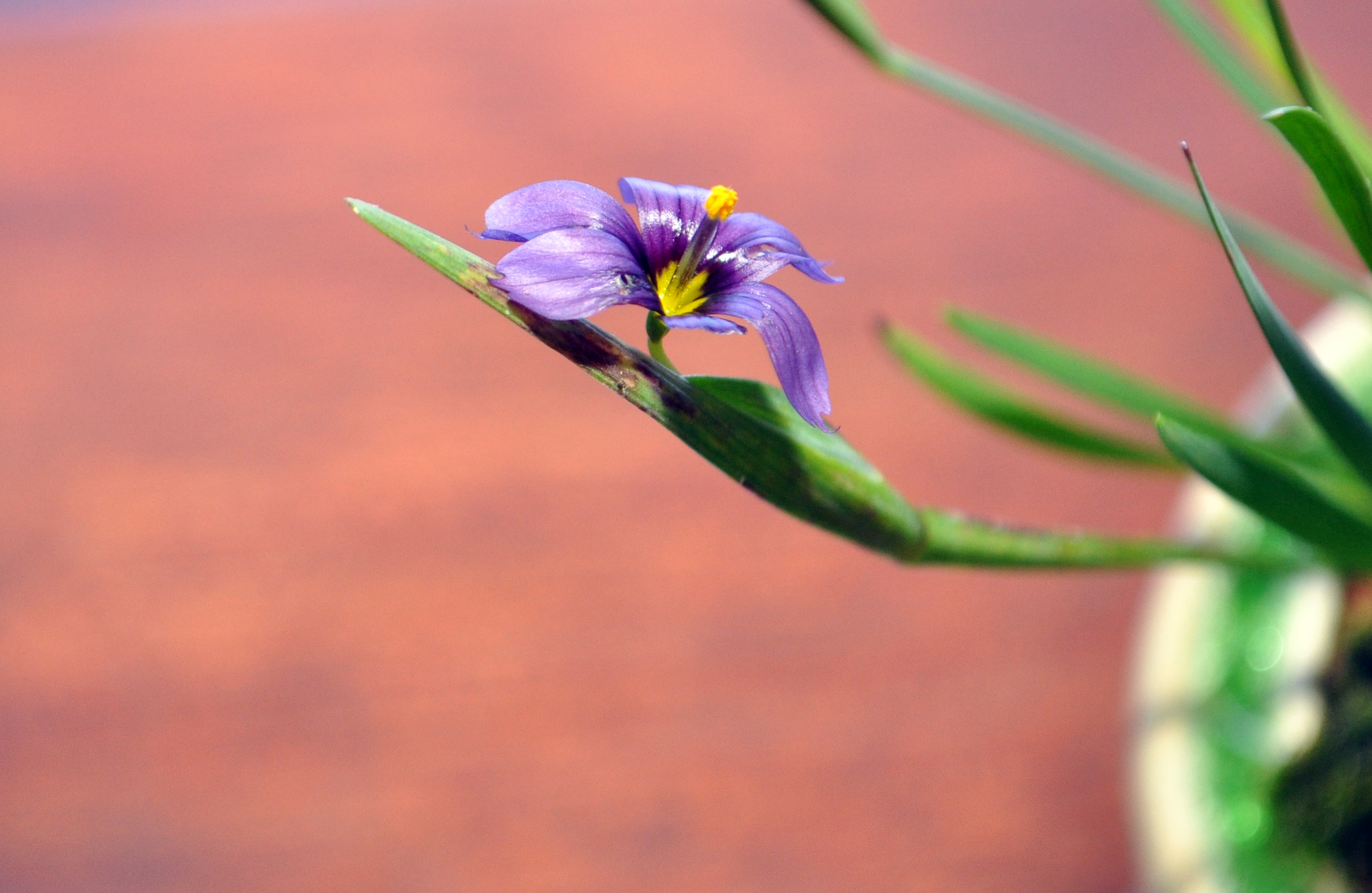
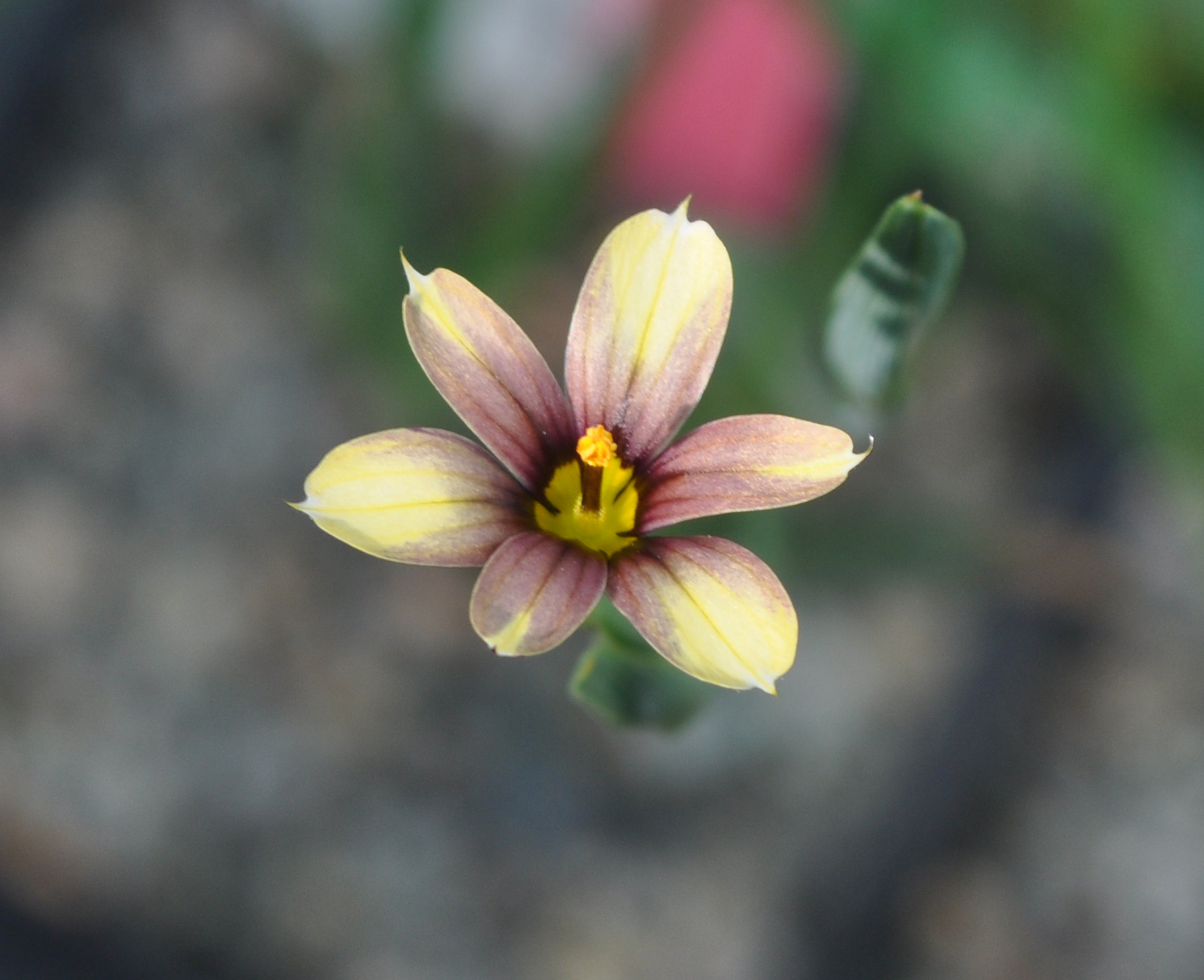
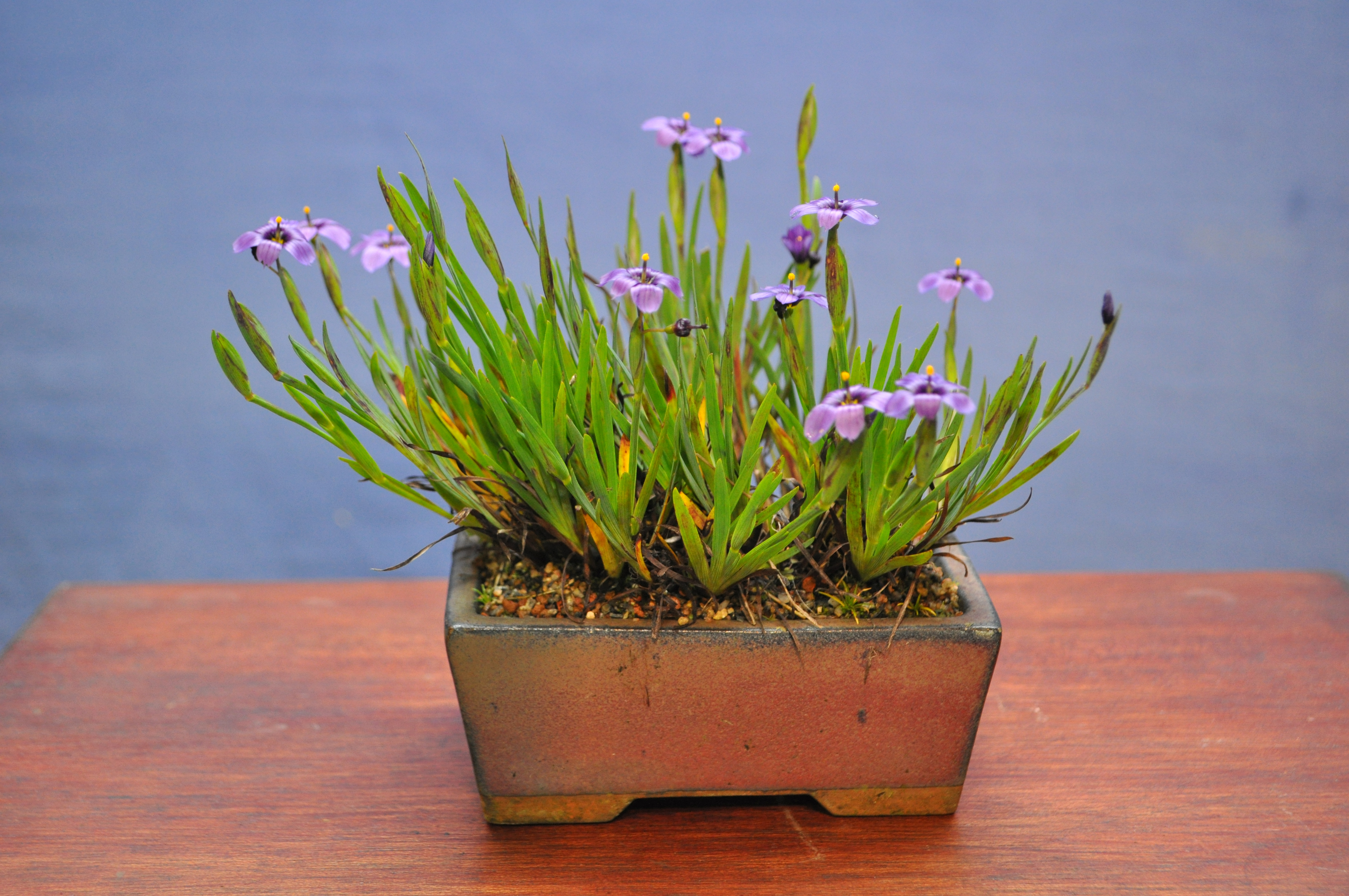
These Sisyrinchium are fast becoming addictive! Here are 3 of the four that I have. The only missing one is the Yellow ‘Californium’. I’m on the hunt for more 🙂

E.K. Balls

DSC_0144

Biscutella

DSC_0191

Dragons Eye

DSC_0193

Sisyrinchium 'EK Balls'

Sisyrinchium ‘EK Balls’

My Satsuki

This is my satsuki azalea, I have it more for flowers than for bonsai but it gives me pleasure at this time of year. I didn’t let it flower last year to help build strength. It has four flower types  but I have only put photos of three below. The missing one is a pale pink flower with a dark pink stripe. Those ones have still to open. The first few photos where taken a few days apart so you can see it opening.

Summer root work?

Brian VF's avatarNebari Bonsai

It had been a few years since I worked the roots on this trident, and a crossing root started to emerge that needed to be dealt with. Ryan Bell mentioned he was working on a similar root problem on a trident, where he was exposing the roots, and undercutting the heavy roots. The idea, similar to layering, was to grow new, finer roots from the cut site.

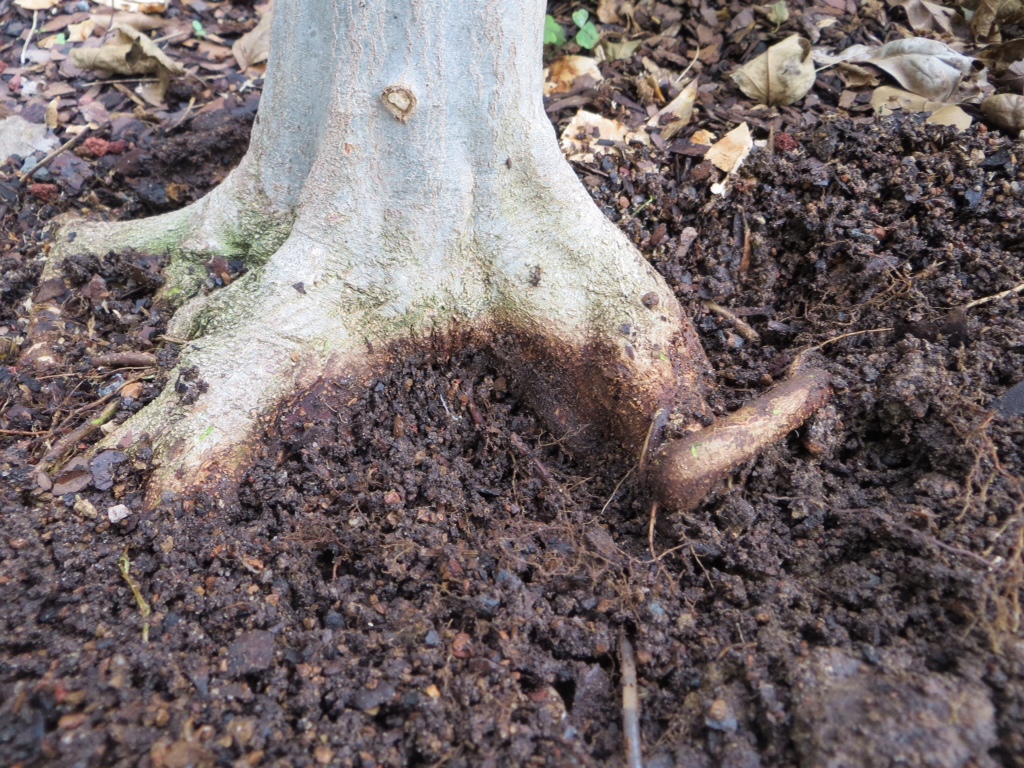
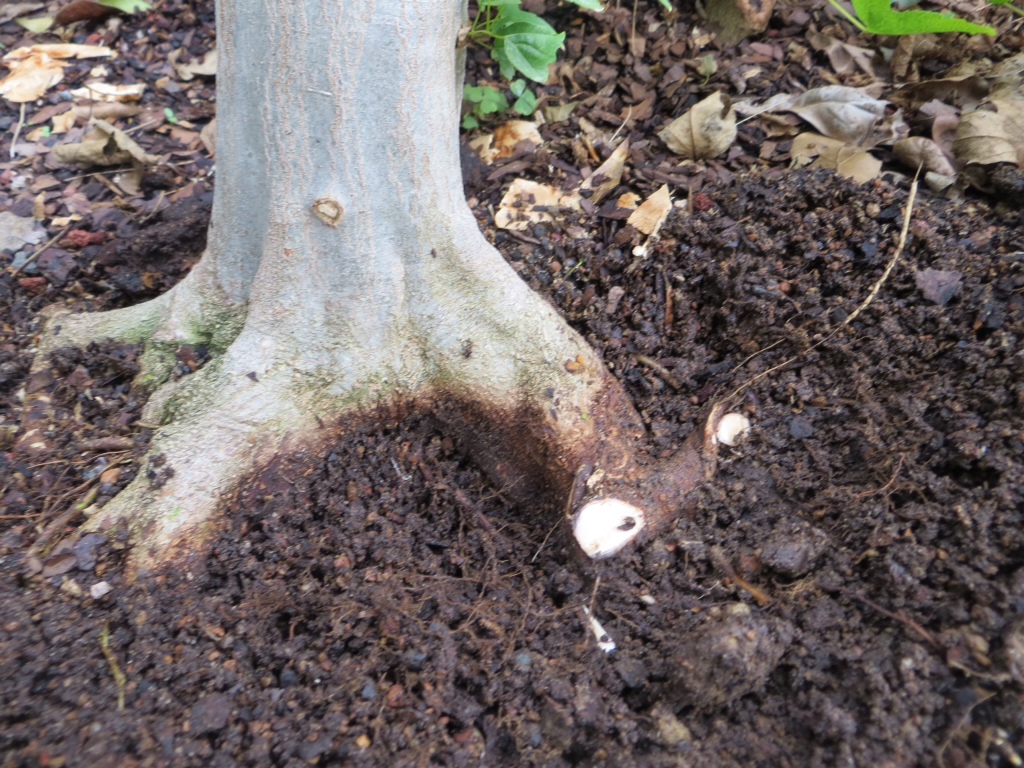
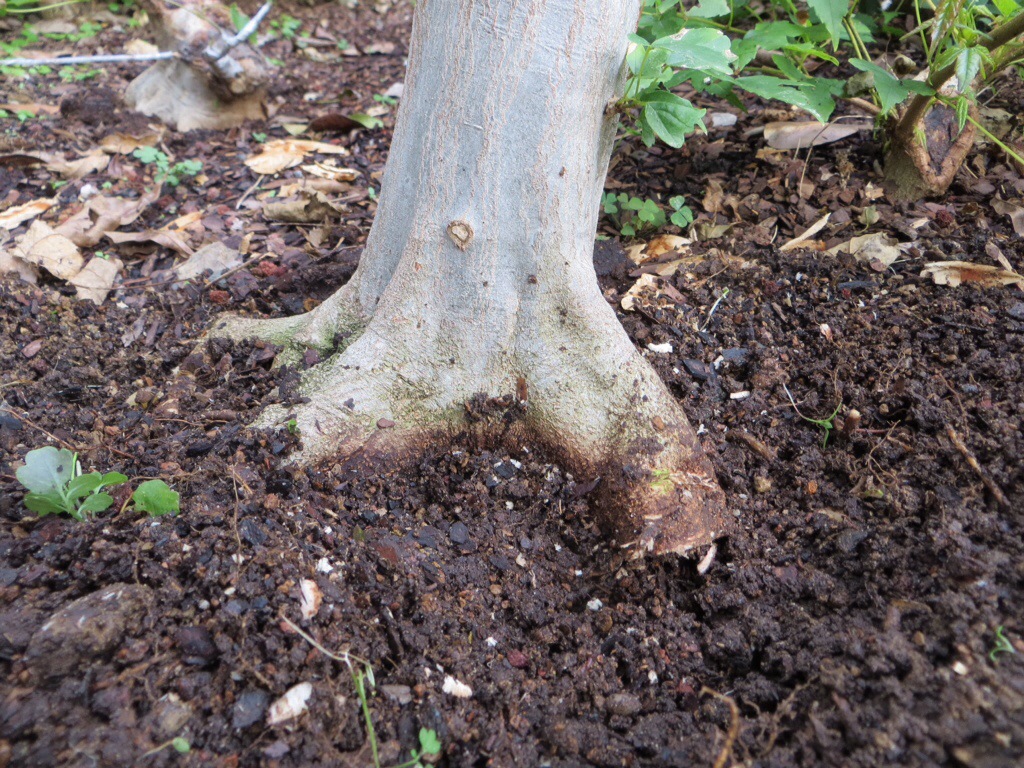
Last summer; July, I gave it a go. Excavating the problem root:

20140301-201302.jpg

20140301-201414.jpg

20140301-201457.jpg
A little more was removed, then the area was packed with sphagnum moss:
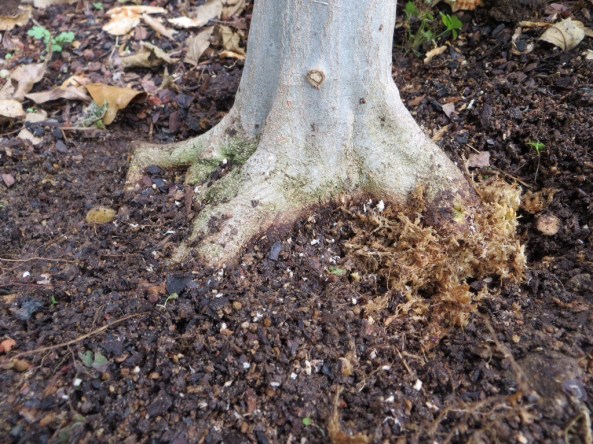
20140301-201529.jpg
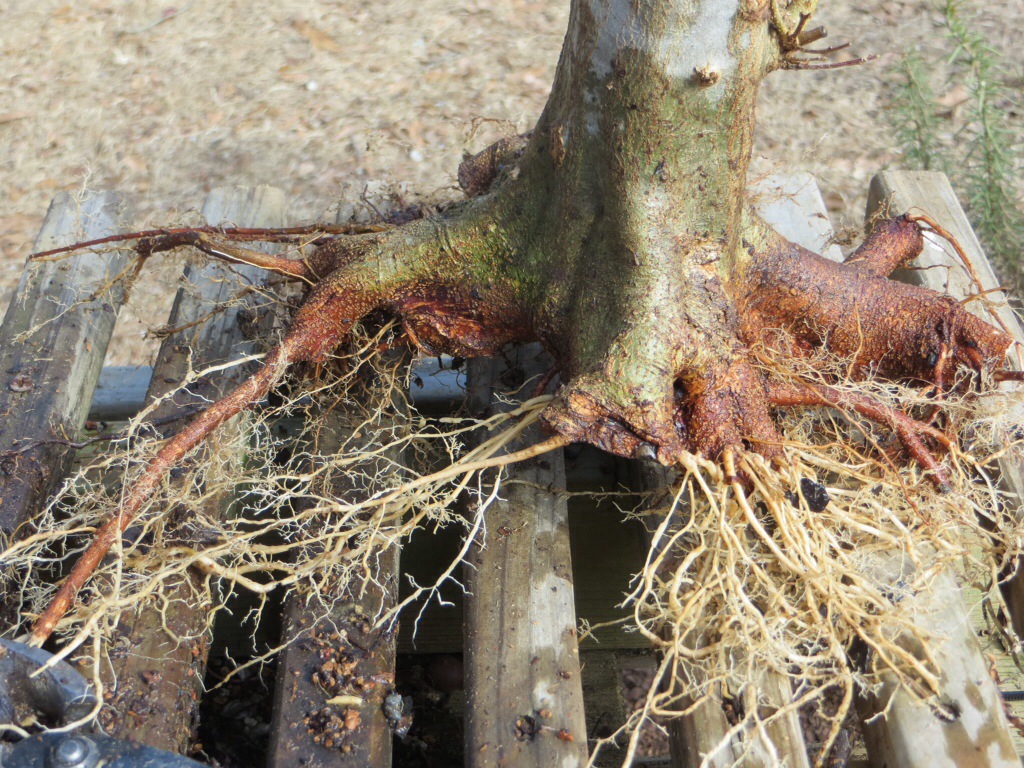
The tree didn’t skip a beat, and on March 1, I dug it to work the roots. Here was what I found:

20140301-201945.jpg
Look at those nice plump roots!

20140301-202026.jpg
Because it worked so well, I marked another heavy root with a loop of wire to remind me where to make the cut. I want to keep the cut on…

View original post 49 more words

The twistiest of junipers

Truly stunning!!

Airlayering Progression

Graham’s two videos on airlayering a crab apple. This is the original one from 3 years ago.

and this is the new update.

A new chapter has begun

reelbonsai's avatarReelBonsai

Hello all and thank you for the continuing support of my outdated and neglected blog. For those of you who still care (or if you jumped ship and happen to see this I still love you) or if you’ve been left in the dark I hope to clear things up in this post. I recently (2 months ago) returned from an 8 year apprenticeship with my master Shinji Suzuki. It was an honor and great privilege learning from one of the best in the business and I continue to wonder how I got so lucky, but luck turned into hard work and now it is beginning to pay off here in California, the place I’m calling home for the time being. As a major transition thus far in my life, I hope you guys can forgive me for slacking off and not doing any posts since I’ve been back, getting…

View original post 349 more words

The Moss Myth

crataegus's avatarMichael Hagedorn

I remember the days when moss was the enemy. The idea was that moss impeded water penetration, or kept the pot too wet. So it was a surprise when I was an apprentice that Mr. Suzuki encouraged moss to grow on the soil, and I discovered there were some advantages to having it there.

Shredded sphagnum moss on top of volcanic soil (akadama/pumice) at 1/8-1/4″ thickness, with shredded live moss added to inoculate. I often add ink to it so it’s not straw colored while the moss gets established. Be sure you use true sphagnum moss, not peat moss. Peat moss is rotted sphagnum, and tends to be water repellent when dry. The best sphagnum to use is sold often as ‘orchid’ moss, and is straw colored and is like a sponge when sprinkled with water.

If applied in the early spring around repotting time, a carpet of live moss…

View original post 103 more words

BSA Exhibition Video Parts 3&4


Two more for you.


Accent Rhodohypoxis Deflexa