Not it’s best flush of flowering, but it’s overdue a repot and a new pot next Spring. Still eye catching though.


Not it’s best flush of flowering, but it’s overdue a repot and a new pot next Spring. Still eye catching though.
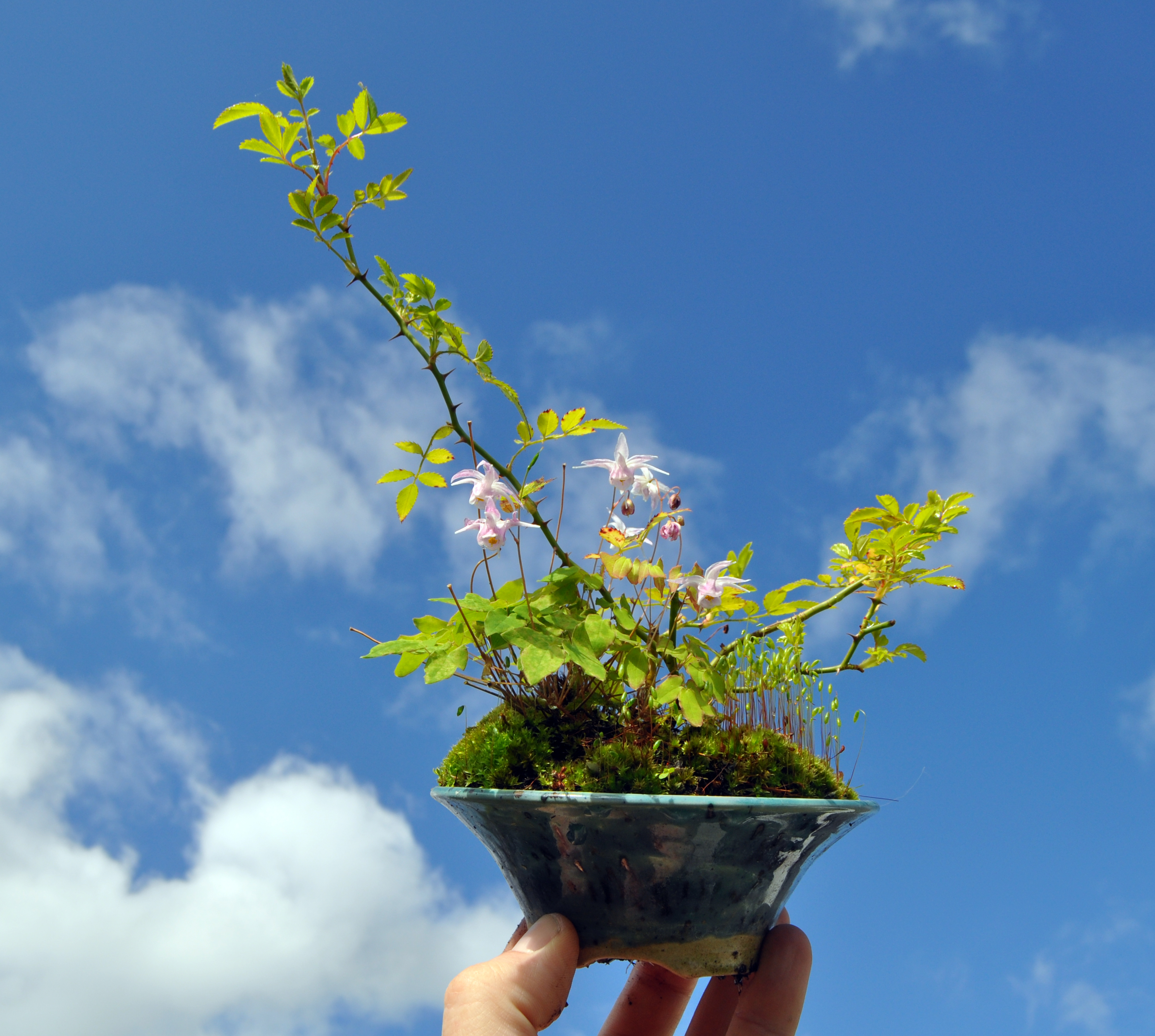
Anyone identify these two? The first one is Epimedium but I can’t find the name of this variety. There’s hundreds of them out there! The flower on this one is stunning.


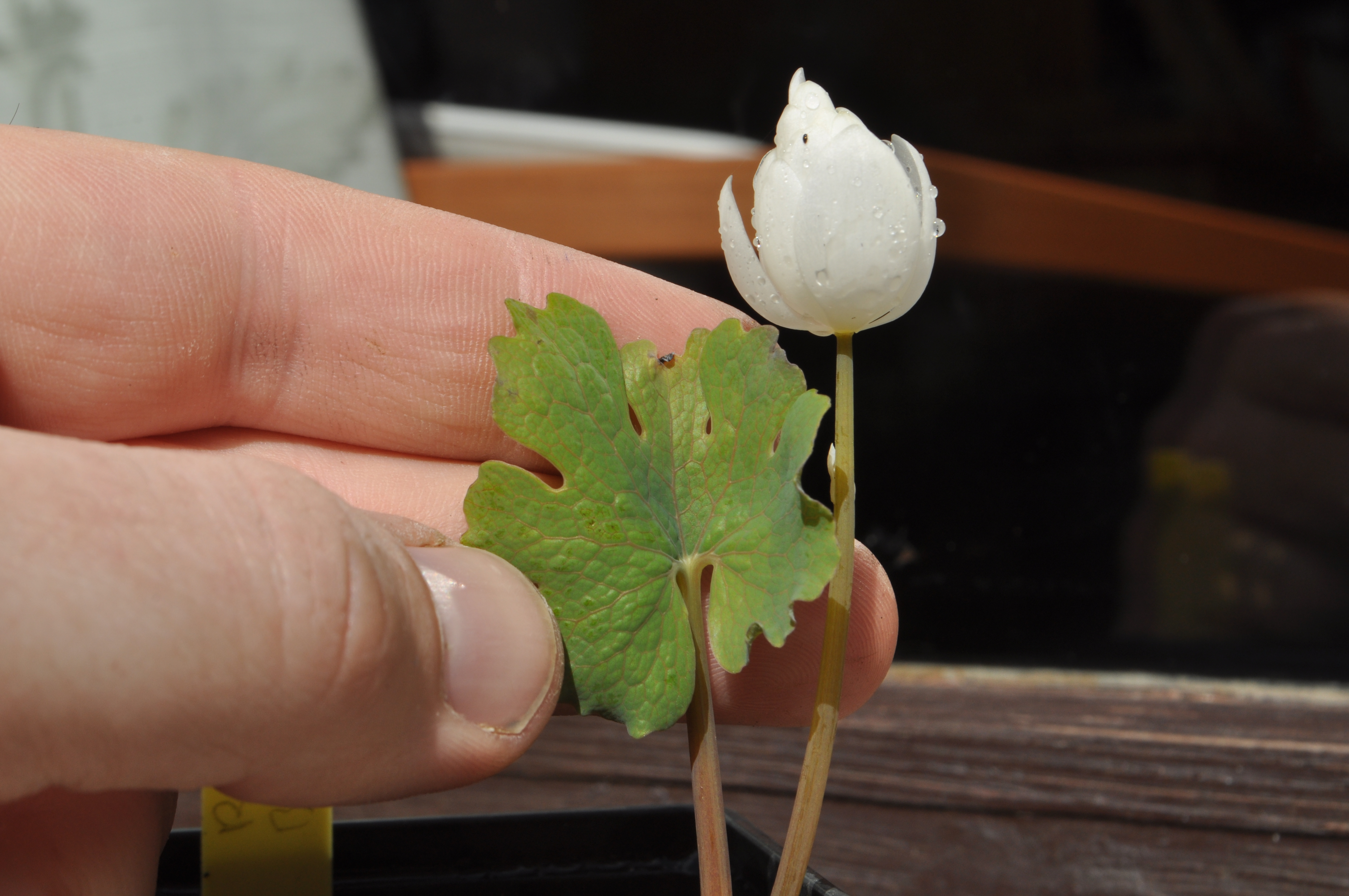
And this one I’ve no clue, very slow to open and I have only one flower and one leaf to share with you.



View original post 138 more words

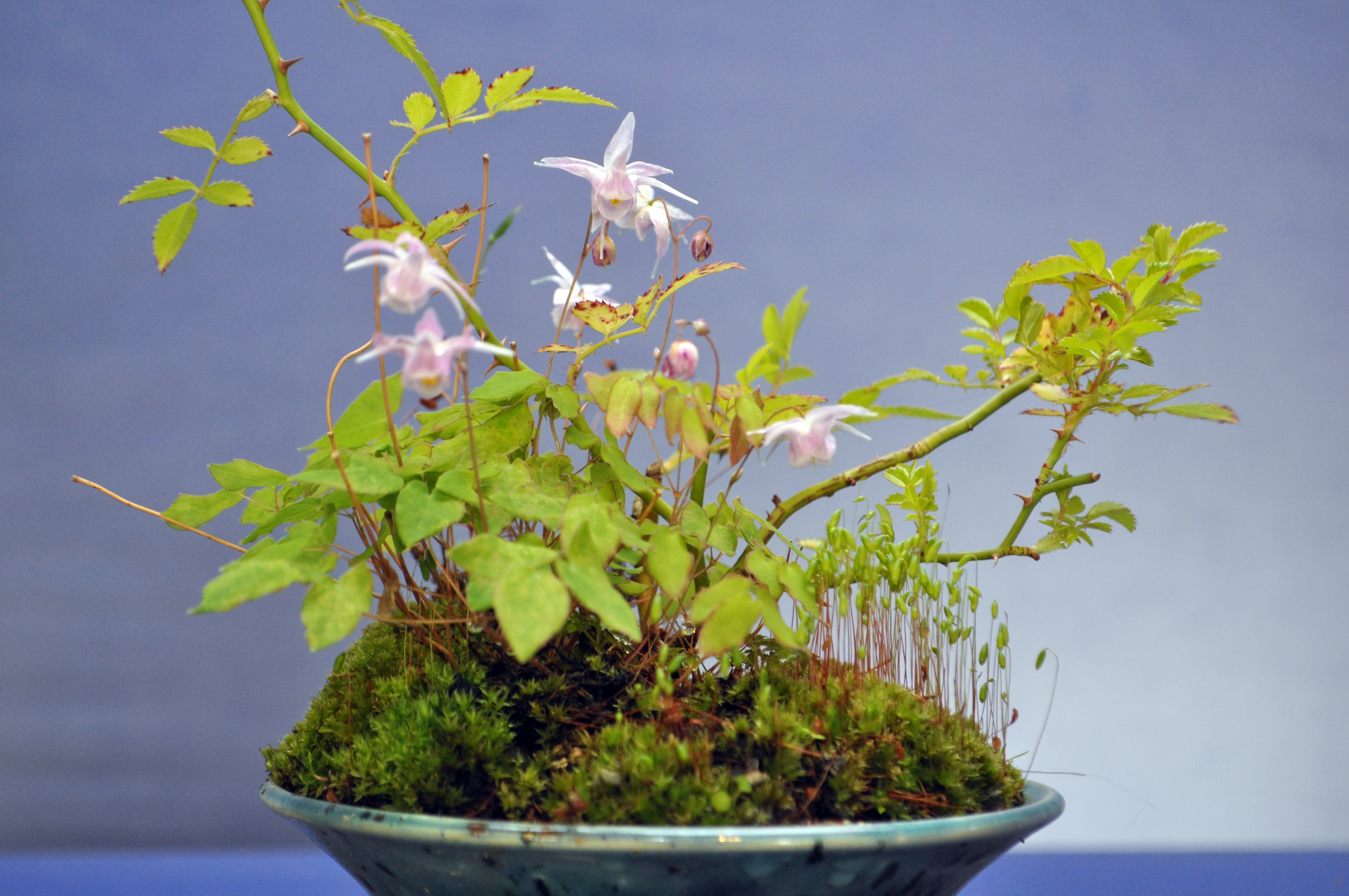
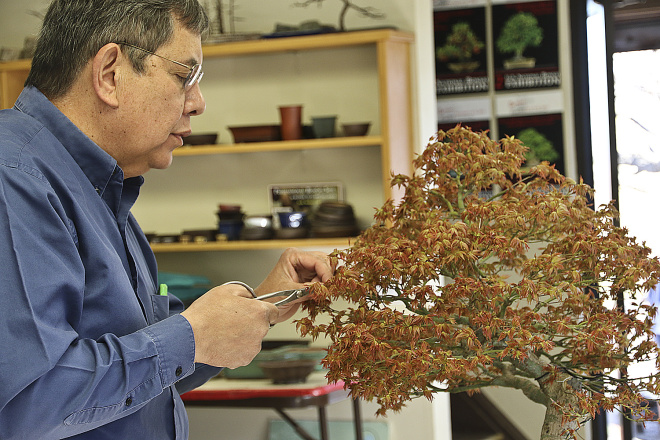
I had a one to one session on Tuesday night and was rather taken with this Field Maple, Acer Campestre, that was one of 4 trees worked on in the session. The tree had been purchased from Kaizen Bonsai a few years back and some of Mr Potters carving was clearly evident. I think this species in under used here in the UK. Yes, I know it a little coarse in the branch structure, but the species bring so much more to the table in the way of character.
We were limited to what we could do with the tree in leaf but were able to make a few decisions and remove a few unwanted branches. A partial defoliation was done, a bit early but not an issue with this species. A new front was found and a slight change in potting angle for next Spring. The tree will get a full wiring in the Autumn and will be a very nice rugged image in the years to come.
This gallery contains 20 photos.
Originally posted on Bonsai & Yamadori from Tony Tickle:
Last weekend our group of friends had a walk around Derwentwater in the Lake District of England, we were blessed with a dry day and even a wee bit of sunshine.…
Just about recovered from the weekend of bonsai workshops, not just as a participant, but also a host, which has it added drawbacks but also benefits.
Great to hear the great feedback from club members, who are also friends, makes it all the more worthwhile. I didn’t get many photos on the day I worked with with Peter, a bit busy, but I do have some to share.
I opted to work on a Sitka Spruce collected a few years back. I have been clipping it back to induce back budding with pretty good success. I had left a few options for design but I wanted Peter’s direction as to the best course of action. This is the tree before.
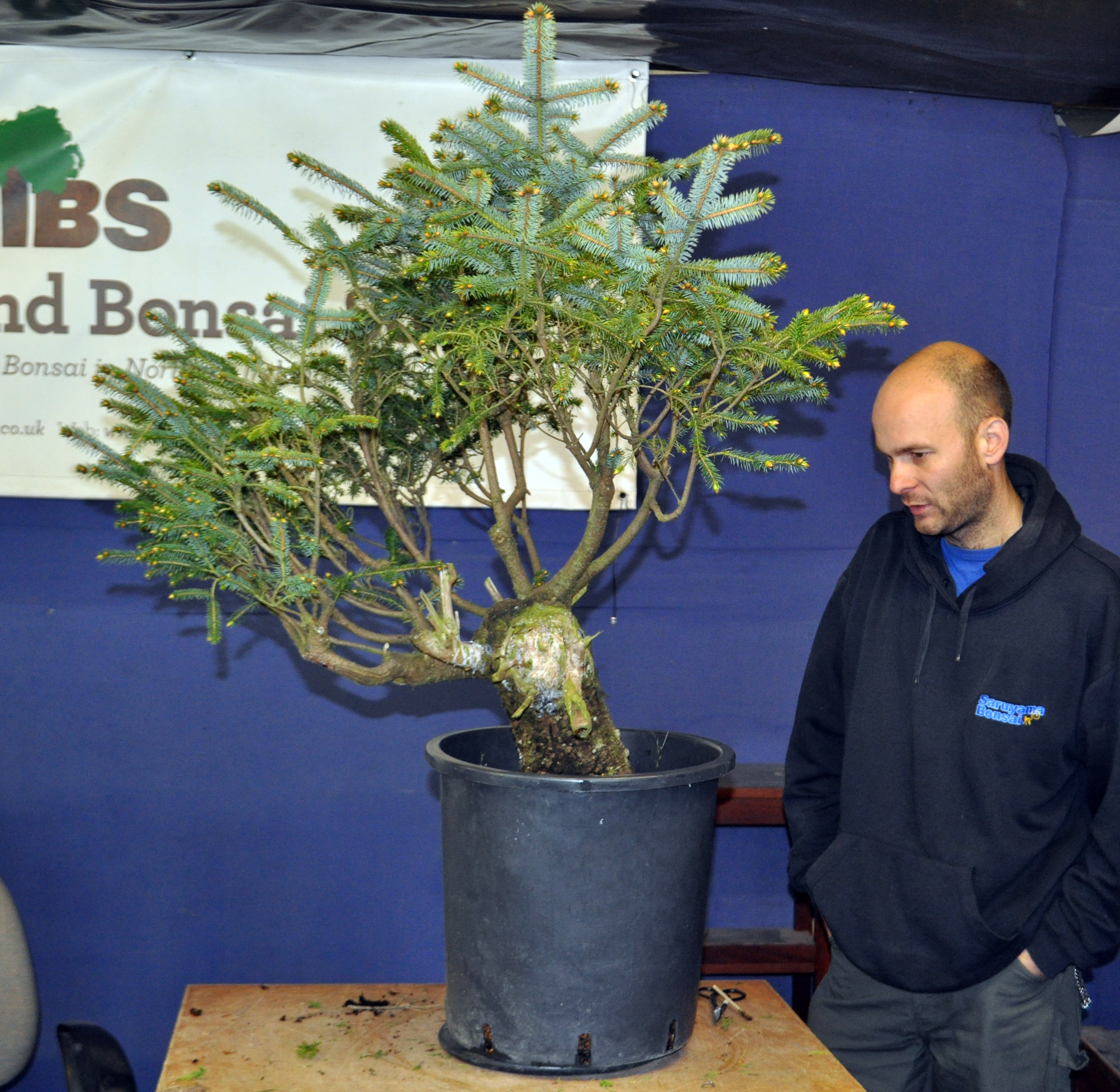
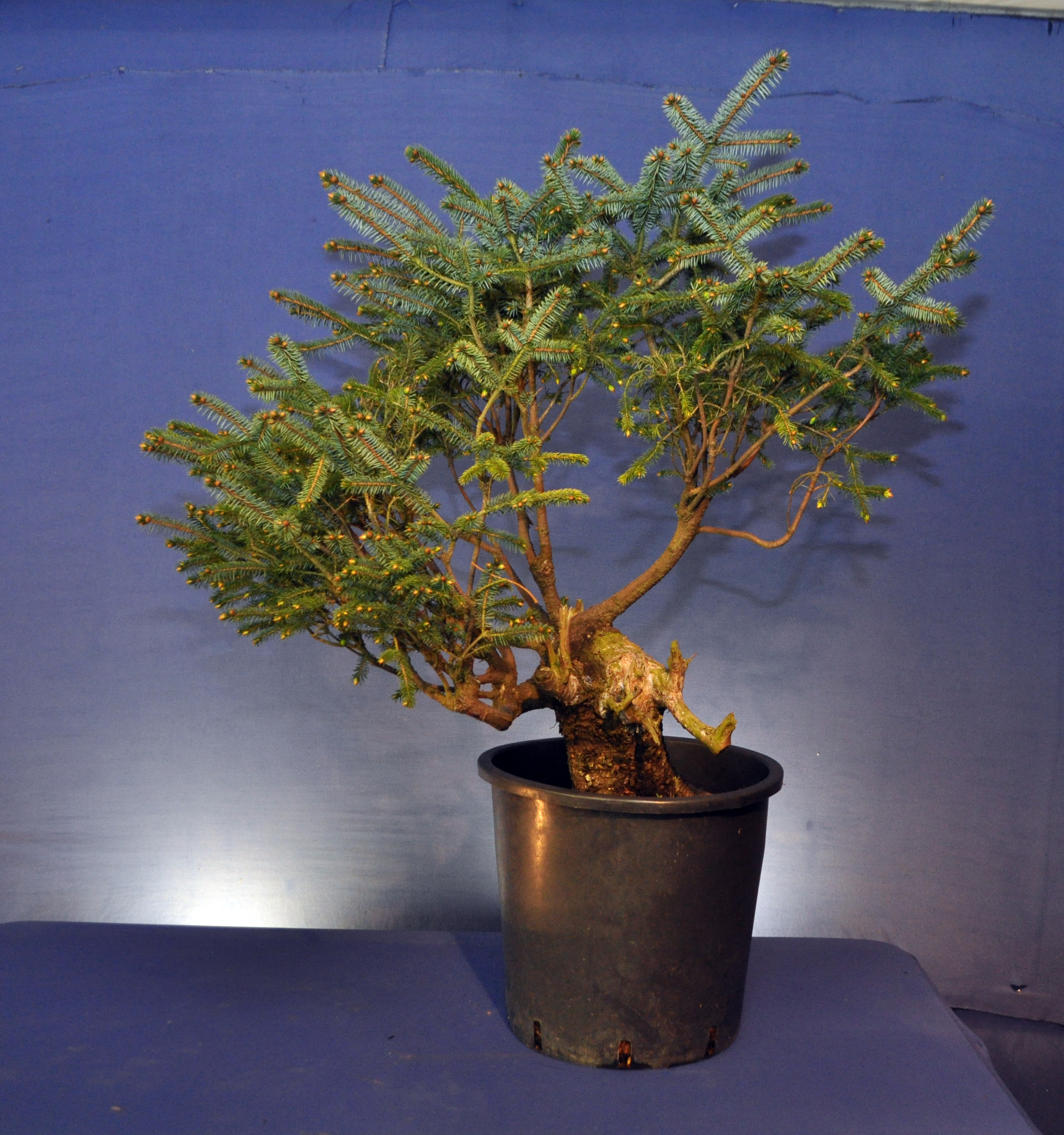
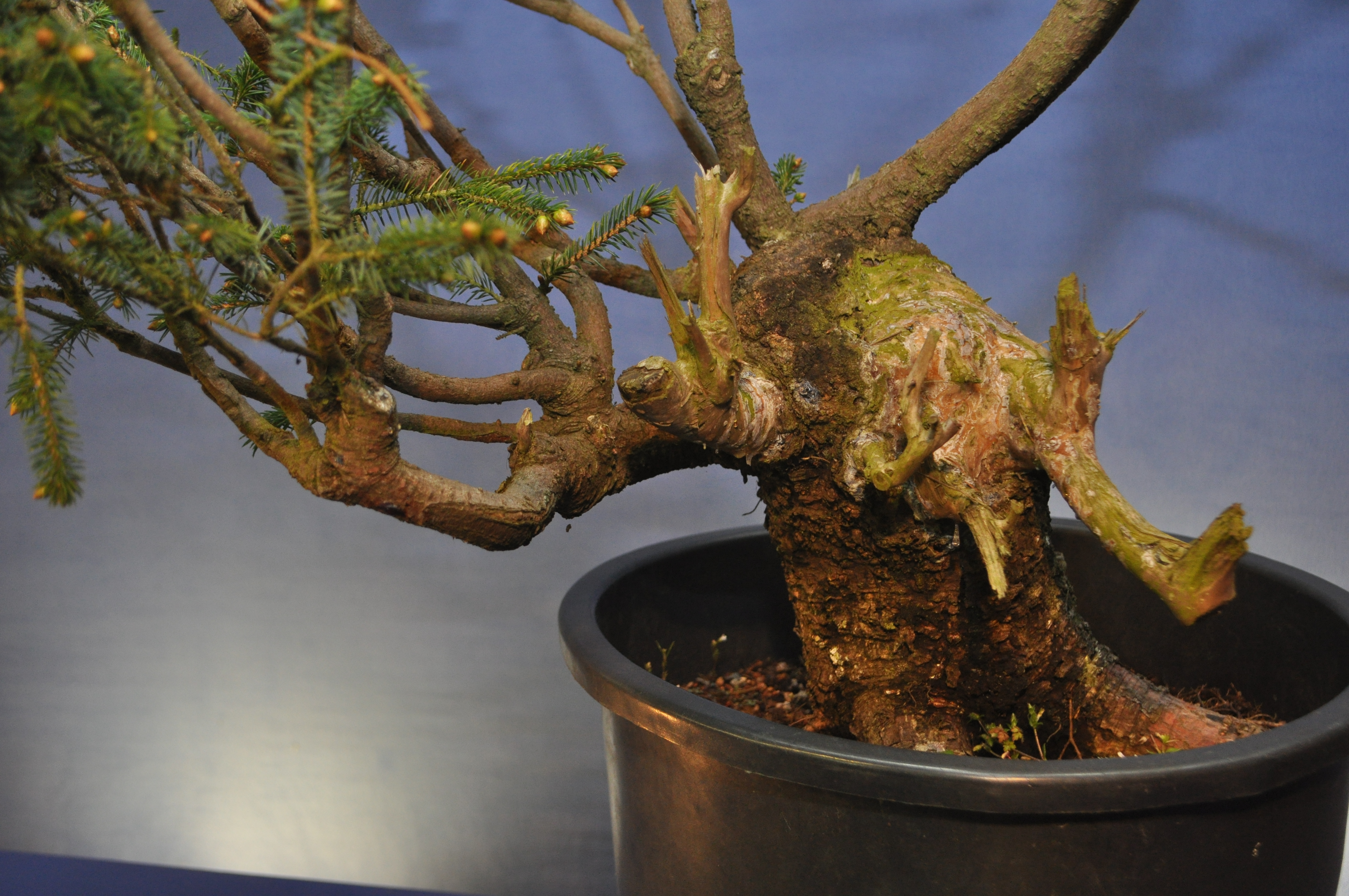
As you can see it has a heavy base with a decent root spread, however the branches are still long and further back budding will be required. Peter sees this as being a chuhin sized tree as an end game. The only work needed on Saturday was to get the primary branches placed and open to the light. The foliage on the tree will ultimately all be replaced with new inner growth.
A rare photo of me in a workshop. Not sure who lifted my camera to take it but thank you 🙂

This is it after the branches had been placed. The two remaining branches are starting to back bud a few inches up which is just where I need growth, therefore these will be left for a year until there is enough growth there to chop back too. This can be seen below as can the back budding from last year on the branch to the left. A long term project but material worth the effort I think.

Last years back budding

Buds sitting ready to swell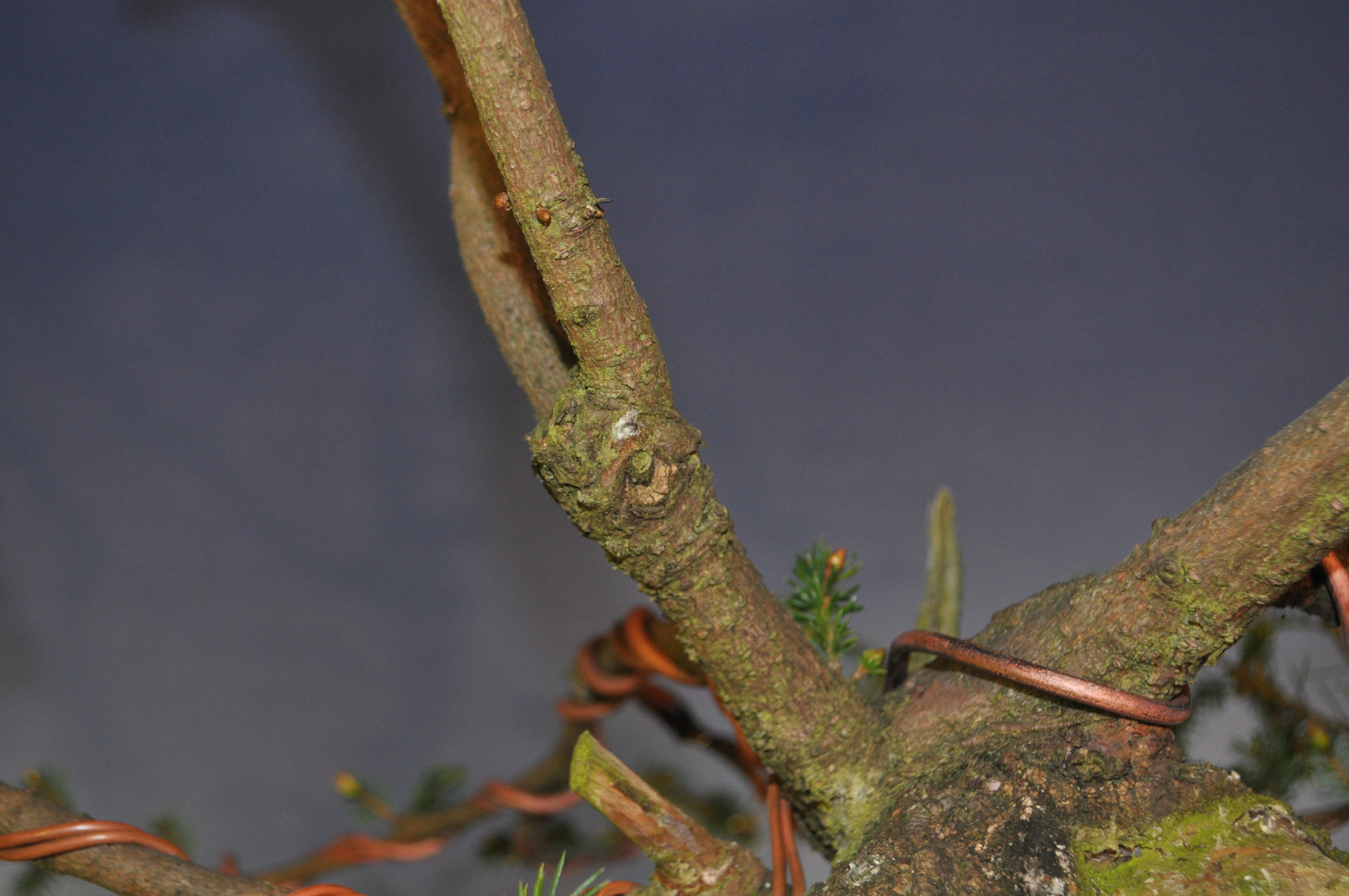

I also got Peter to look through a few other trees for me with suggestions for their future. This was every bit as important as actually working on trees and has left me with some tasks to preform.
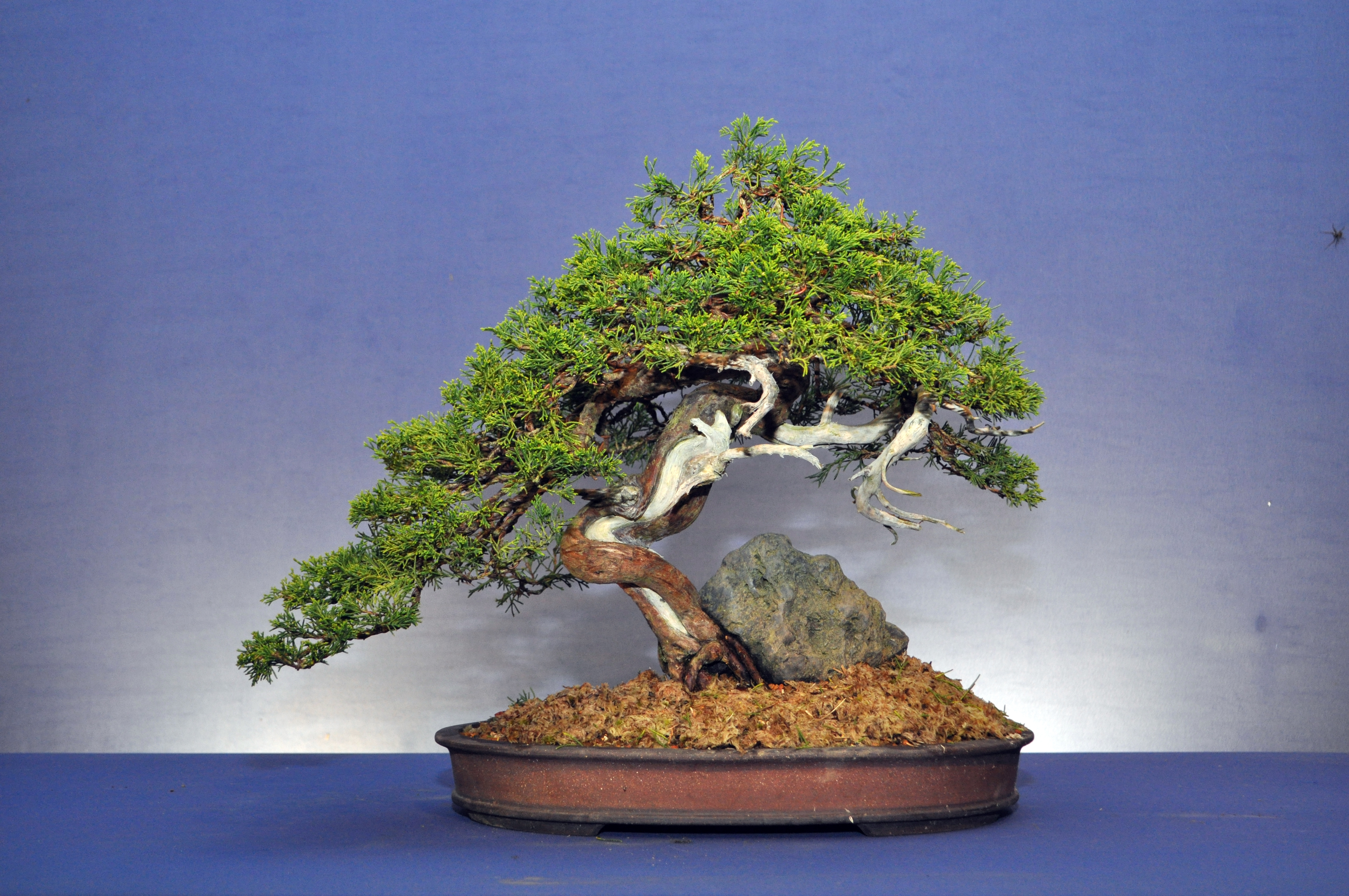
I had recently wired and styled the pine and juniper below to refine the images further. I asked Peter to tweak them to see what changes he made. Nothing major but it’s amazing the difference those few alterations can make. Again this is a great way to learn how to improve your own skills and of course, the tree.


Thank you Peter for a great weekend. You are probably the easiest house guest I’ve ever had, all you need is a comfy sofa and a bottle of red 😉

Really looking forward to getting over to Bonsai Europa in October. Nice to see the show being promoted to the general public as well as the Bonsai Community.


American larch bonsai on cork board
Most spring bonsai shows have probably taken place by now in southern areas. However, it’s now show time in the north. Our local bonsai exhibition will take place next weekend in Rochester, New York, and I’m always trying to improve each member’s display. Last month information was presented in this blog on how to make a quick and low cost companion planting from dwarf Columbine.

Dwarf Columbine companion planting on cork board
This month I’d like to suggest a quick and low cost “wooden slab” for companion plantings as well as smaller size bonsai. Traditionally, wood is used and although inexpensive types can be found, high end quality wooden slabs can cost hundreds of dollars, even for small 10 inch sizes. The prices increase with rare wood species and hand carved edge details.
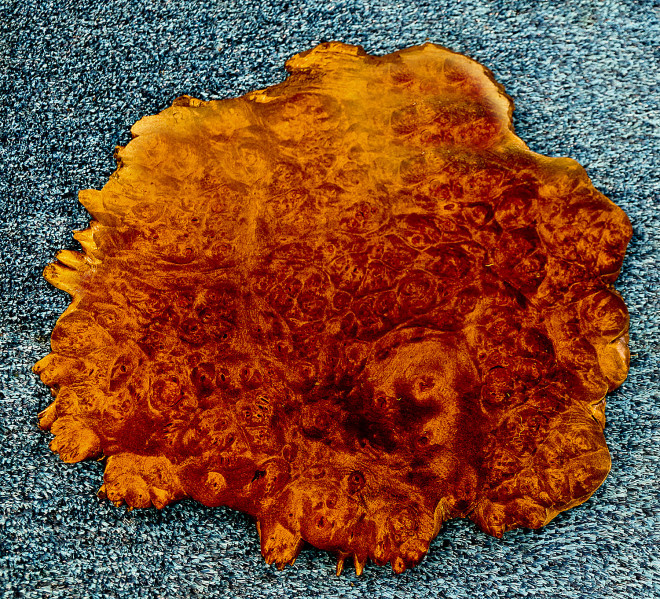
Elm burl by Michel Villeneuve, Montreal, Canada

Wood from western USA…
View original post 959 more words
Shop for quality bonsai
bonsai and garden
The Kaizen Bonsai Blog
Teaching, Learning, Enjoying Bonsai
The ramblings of an old artist and someone who would like to grow better bonsais trees
my bonsai
My wood creations
Hand Crafted Furniture
Creativity Through Bonsai
dirt leaves flowers
bonsaï | vidéo | Japon - ActuBonsaï
Japan's aesthetic, craftsmanship and spirit
Bonsai with a hint of madness...
"Tibolar-RS. your soil needs it, your plants will love it"


 Bonsai Eejit