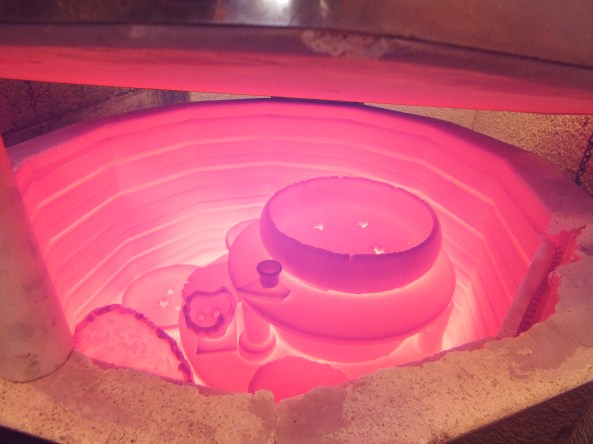
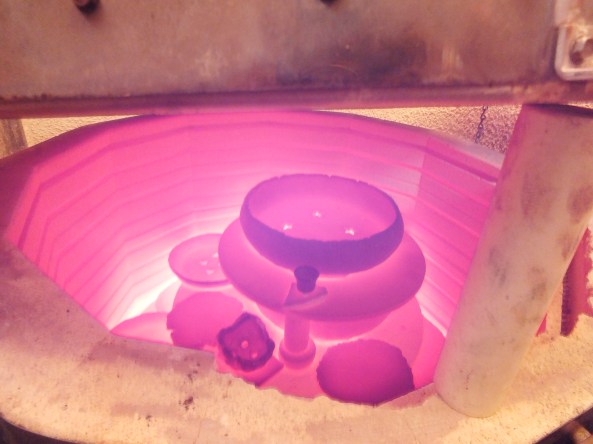
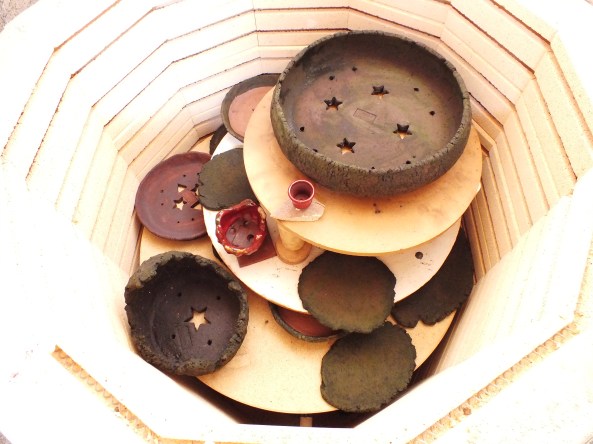
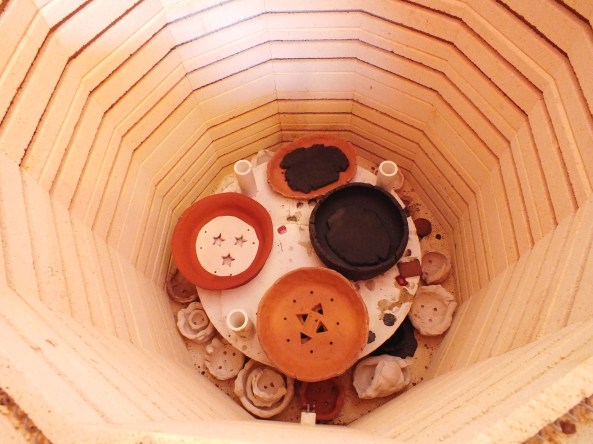
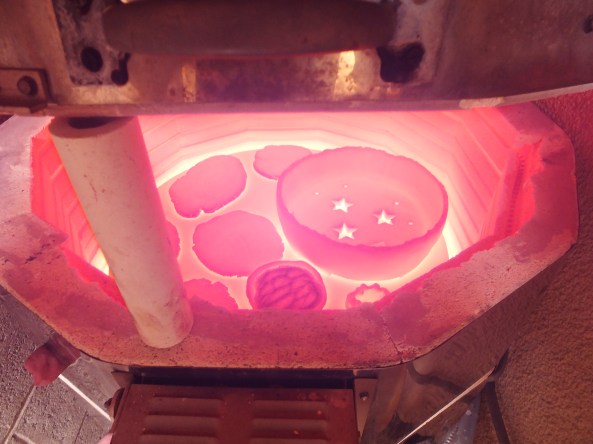
Just finished glaze firing of the last batch of pots, everything looks good so far, but the pots are still to hot to be removed from the kiln, so more photos will follow. Just a quick look inside the kiln.
Is there a place for this on-line learning concept within bonsai?
Would I learn anything new?
Is it good value for money?
The course is available here from today, but I’ve been able to check out the content over the last couple of days and form an opinion. The deal was I’d be honest in my review, this isn’t a free promotion and Oscar was happy with that. After all the hard work put in by Bjorn and him, they are probably confident in their product.
I think the best way to describe the course is to walk you through my experience of using it. I had already viewed the trailer which you can watch below. It’s obvious from this that the production quality was going to be high.
I was given details on how to register and the process is painless, an easy interface with easy payment methods and an invoice received via email. I then gave the course format a look and saw some things that caught my interest and a few that I thought might not be of much benefit to me. Eg. Dwarf Kumquat. I doubt I’ll ever have one of these in my collection but I thought, in the interest of a fair review, I’d need to watch it just in case 🙂
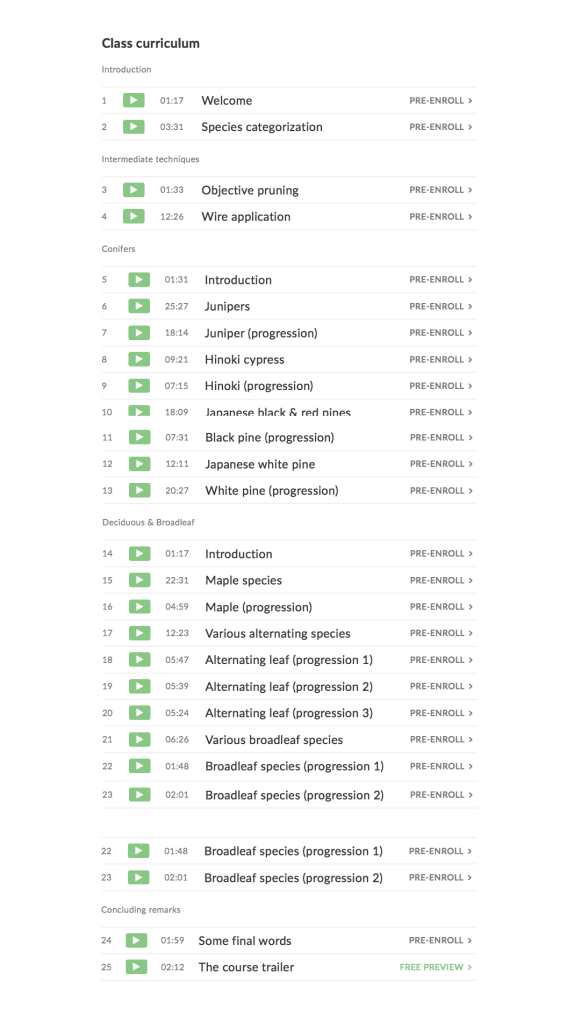
Looking down at the course curriculum I got a better idea of the actual breakdown of the content and could see that some species such as Junipers, Pines and Maples did still hold the majority of the allotted time. I was tempted to jump straight into the ones that interested me the most but I behaved myself and and started at the welcome video. As expected production quality was top notch, indeed it is throughout all the video content lasting 4 1/2 hours.
During my first sitting I watched the first 6 videos. I hadn’t watched any of the content of the previous Beginners course and I wondered if that would mean I’d get sections that referred to older content that I’d missed, and cause confusion or knowledge gaps for people jumping straight in to the Intermediate course. Within minutes my question was answered with previous learning being mentioned and covered again to bring new users up to date. I watched one of the best explanations on how to wire with ‘step by step’ clear instructions showing how and why. I show people how to wire on a regular basis and I saw several teaching techniques that I’m going to use myself to simplify the process.
When I started into the juniper content I was hooked. All you need to know for each species is there to view. Great information on Polar Auxin Transport explaining clearly why it’s important to understand PAT when it comes to recovering the health of weak junipers. This is just one of many learning moments that happen frequently during the course.
I’ll not start going into a constant blow by blow account of my experience from each topic or species video clip, indeed I haven’t even managed to view all the content yet. I constantly found myself stopping and clicking back to repeat certain sections to ensure I took it all in. The audio from Bjorn has been well scripted to ensure every single sentence is concise and packed with learning and is often worth listening to several times. Or maybe I’m just slow to take it in the first time 🙂
The highlights of the course for me were the various species guides with some great info on care with Junipers and Pines being the stand out lectures.
The negatives were few and probably petty on my part. As you probably guessed all the species are Japan- centric. No Larch or Hawthorn for example but then what else would you expect. That said, much of the learning can be transferred to other species. A few of the Progression lectures were a little slow paced for me in places, but mostly it was only because I had seen that content before elsewhere. The music at times is a little out there but I even found myself foot tapping away. That’s it, all pretty minor and if anyone else can tell me a negative, I’d be interested to hear it.
Getting back to the three questions I asked myself at the start of this blog post.
Would I learn anything new?
The short answer is yes. I’ve been playing with bonsai for 23 years, I’ve worked with numerous bonsai artists and professionals in this time and I’m always amazed at just how little I actually know. Bonsai is a massive area to study with that fantastic mix of art and horticulture and a never ending knowledge base to explore. I think many people will see the term Intermediate and wonder what that actually means in bonsai learning terms. One man’s intermediate level is another man’s beginners level or even expert. I guess you’ll have to judge that for yourself to your own standards. What I can say is that the content of this course inspires me to study harder and learn more. I took copious notes during the videos to help retain what I had viewed and even teach others. The beauty of the course is it’s a one off payment with content that you can return to again and again.
Is it good value for money?
Ok, so $50 full price or in real money to me £34 ish. This gets you well over 4 hours of content and learning from a Japanese trained bonsai professional and produced to top level we have come to expect from Bjorn as previously evidenced in his Bonsai Art of Japan series on Youtube. You can also ask questions direct via the site and take part in discussions with other content users.
Is there a place for this on-line learning concept within bonsai?
The world’s a changing, magazines still have a place and the newer books especially the gallery ones will still be good to have to top up our learning and enjoyment of bonsai. But I think most people reading this now will probably get most of their bonsai ‘Fix’ browsing the net. I personally sit and wade through photo after photo on-line looking for styling inspiration or seeking information on some aspect or other regarding bonsai culture. We can’t believe everything we read on-line sadly, but here is a product for bonsai learning that I feel fills a gap. Expert instruction you can trust, with an easy interface made to a high quality that you can view again and again and ask questions that arise. What’s not to like. I can only imagine the efforts that have gone into creating this and what is being asked for the content is small compared to the learning available. There are people out there learning to create bonsai on their own who are not in any club or taking any professional workshops, this course is made for them. There are also people out there learning bonsai in clubs from people who have picked up bad habits and teach inaccurate technique. This course can be used as a reset so you can recognise BS when you hear it 😉
I guess it’s safe to say that I was impressed with the course. Well done Bjorn and Oscar, and probably a host of other people who assisted in the creation of these videos. Keep up the good work. The question is, will there be an ‘Advanced’ course? Jeez I hate these ability level course names 😀
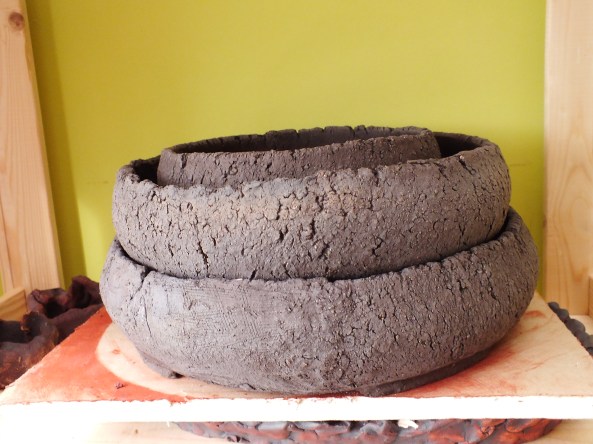
Just finished bisque firing of last small batch of pots, there are a few bonsai pots,a few kusamono trays and a few tiles. All they need now is some glaze and oxides wash and then back to the kiln on Saturday night. I will keep you updated.
As must you you following here know I’m helping my friend Maciej from Bray, Ireland, get his passion for making bonsai and accent pots turned into a viable business. The more he makes the better he gets, and that has to be good for bonsai and kusamono in general here in Ireland.
A perk for me is that I get first pick of Magic Ceramics pots. I find myself wanting one of every new glaze or design he experiments with just so I have one in my collection. Problem is, his experimenting has lead to a massive range of pots from the subtle glazes to the full on in your face pots! His bonsai pots are also coming on in massive steps and with a big kiln he’s able to turn out some great large pots, but more on that in another post.
I’m in the process of starting an Etsy shop for his pots and my accents and plants and I’ll keep you updated on that as we go. Bonsai for me is NOT about making money, I do sell trees and other bits and pieces, but only to ‘thin the herd’ and help finance this passion of mine for wee trees. As the passion grows so does the standard which I’m trying to reach, which usually means more expenses. I am all for supporting bonsai nurseries and bonsai professionals in the UK and further afield, indeed we work with them here whenever we can I I share there work on this blog. Support them or lose them! However Ireland as a whole is rather isolated from the rest of bonsai community in Europe. That’s a very expensive bit of water to cross by boat or plane. Therefore, offering trees for sale here can only be good for bonsai and growing our little community. For the last 3 years I have done all in my power to spread bonsai across Ireland and with the help of others we are seeing stead progression.
Well, showing you a few pots has turned into a bit of a ramble! How did that happen? Tempted to hit the delete button, but what the hell, I’ll leave it be. Below are my pots.
I love the glazes on this one, plenty of interest.
This is more of a rock image but I love the shape with the options for placing different plants.
This is a new glaze but this one caught my eye for the subtle blue patches. Photo doesn’t do it justice as usual.
Another blueish pot but the texture of this one with the volcanic type glaze is beautiful.
I liked this one for the glaze combo but also the split in the pot for planting options.
This one is just nuts! Hard to match up to a tree in exhibition but I’ll pop it on the benches between trees and add a splash of colour to the display area.
I have all the new batch of pots here with me and over the next few days I’ll be posting a link to where you can view them all. Well done Maciej, keep up the good work.
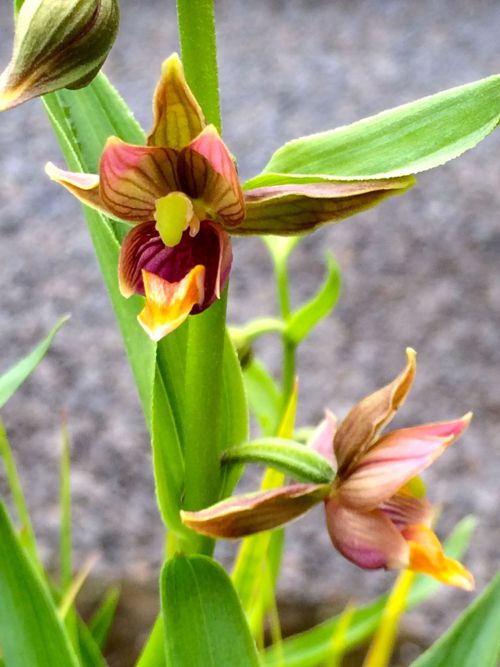
This charming terrestrial orchid, Epipactis gigantea, is name-appropriate…in the wild it may reach 3 ft/ 1 m. In a small container, like this red dish, it tends to be more diminutive, 10″/25 cm. It is native to the west coast of North America from British Columbia south to Mexico.
Available at nurseries specializing in unusual orchids, Giant Helleborine can be a stand alone plant, enjoyable for its own merits on the bonsai benches. It likes a lot of water, a bit on the acidic side. The one pictured here is in a shallow dish without drainage holes, so some water may stand there for half a hot day. It grows well with a couple other plants in the pot, as long as they are not too vigorous or competitive.
Giant Helleborine, a terrestrial orchid from the western coast of North America
We’ll start with a look at some of the show’s winners. Congratulations to the owners whose efforts paid off this weekend. Also, many thanks to Karin, our tireless show chair, and Kathy Shaner, who both worked hard to make our show the best in memory. For perspective, the blue placards are 8.5″ wide. Experienced Category:
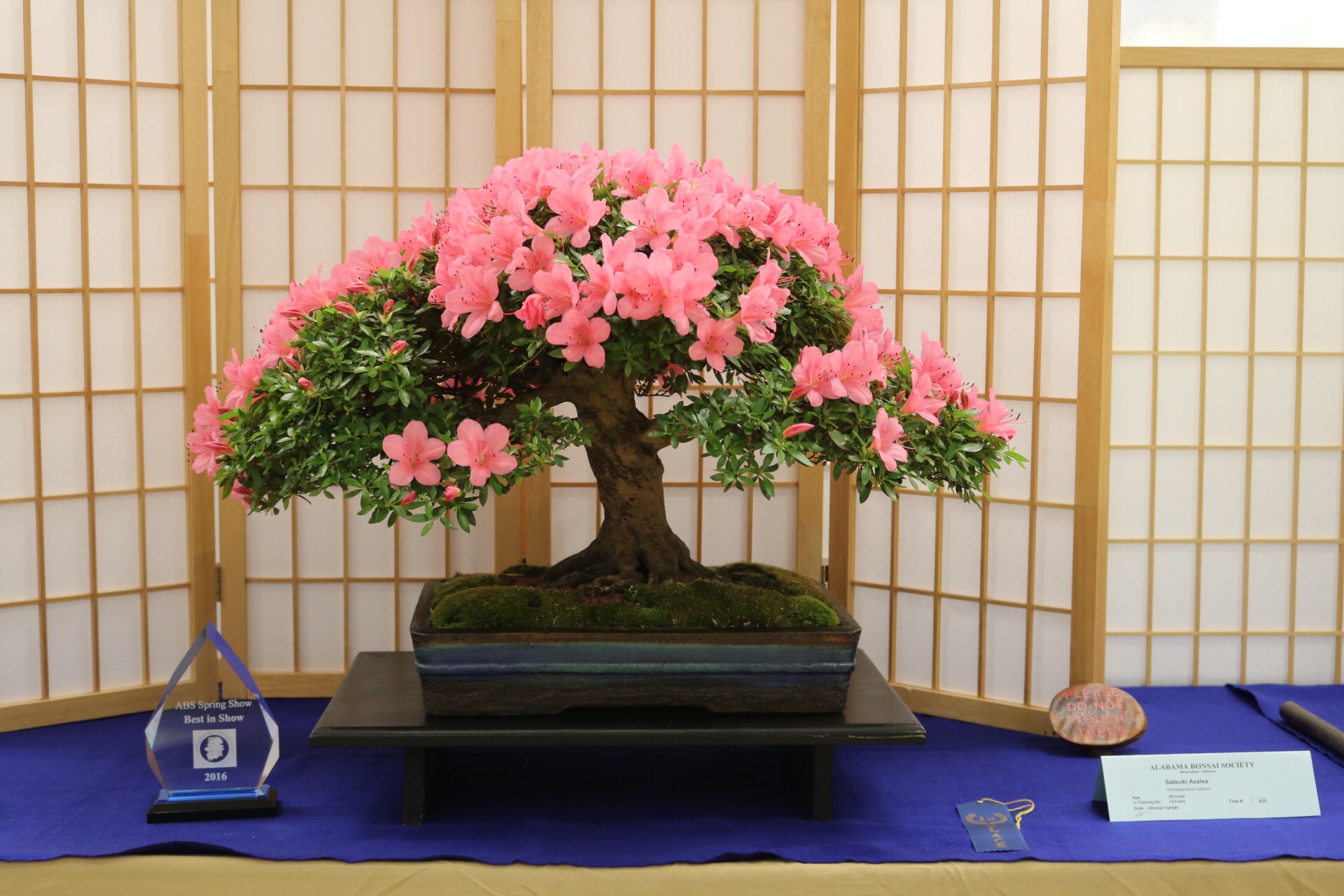
Best of show, and 1st place Flowering/Other: Satsuki Azalea, tokoname pot
2nd place Flowering/Other: Satsuki Azalea, Reiho(?) pot
1st place Deciduous: Arakawa Japanese Maple, Tokoname pot
2nd place Deciduous: Japanese Maple, Yamafusa or Reiho pot
1st place Evergreen: Corkbark Japanese Black Pine, Shibakatsu pot
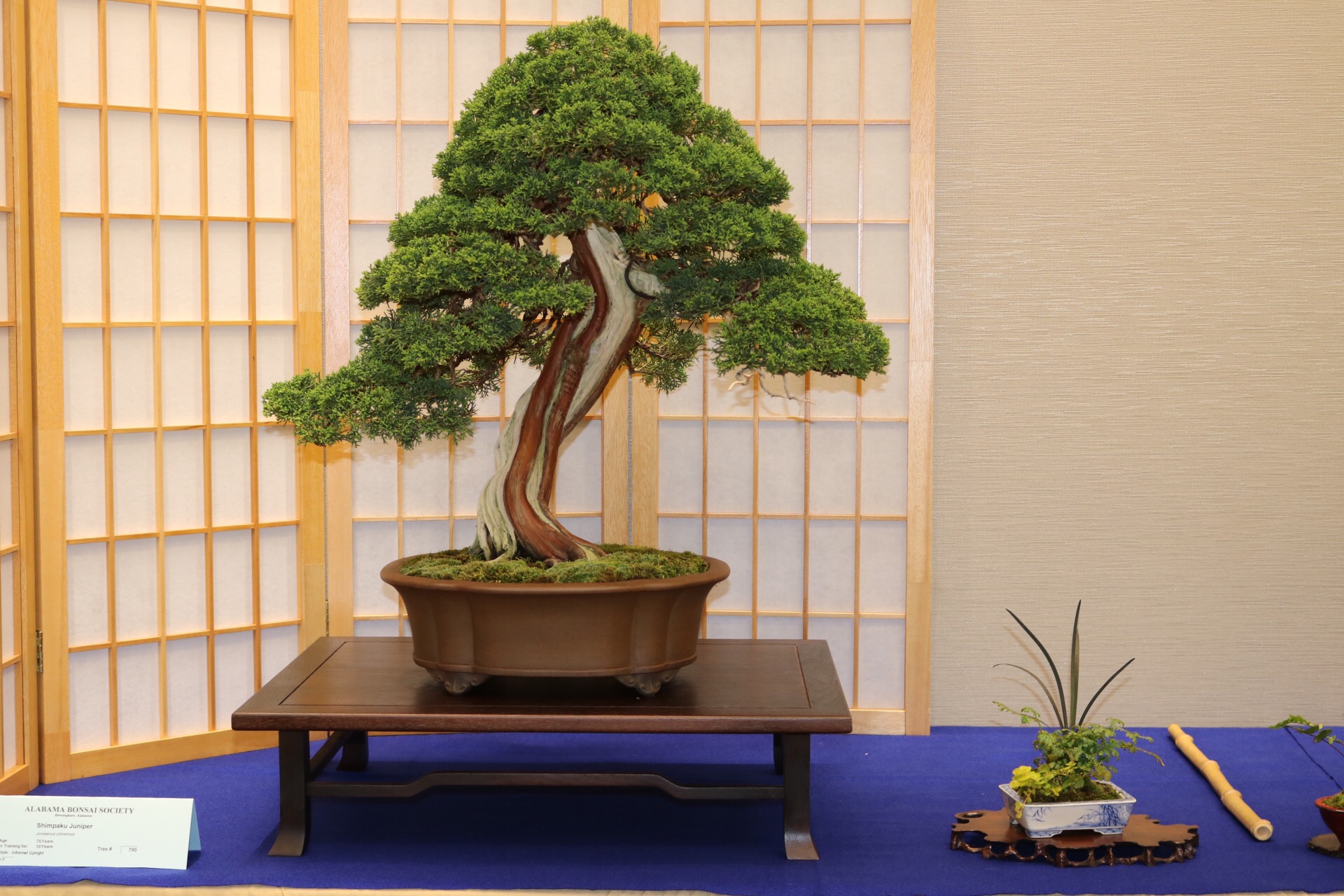
2nd place Evergreen: Shimpaku Juniper, Yuji/Gyouzan pot; Gekkou accent
Intermediate Category:
1st place, Flowering/Other: Larch, old nanban pot
2nd place Flowering/Other: Satsuki Azalea, Chinese pot
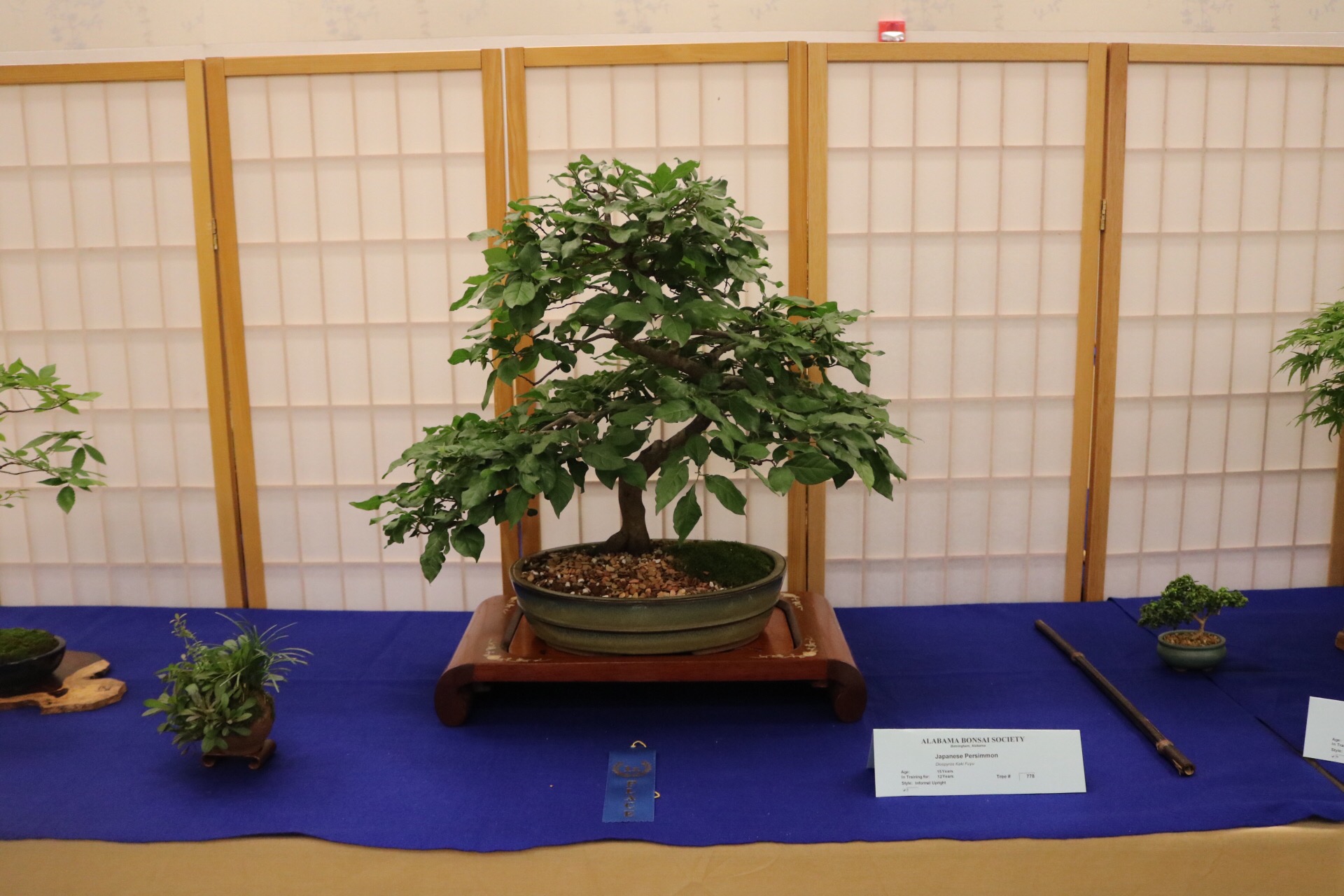
1st place Deciduous: Persimmon (see the fruits? Upper-left!), Chinese pot
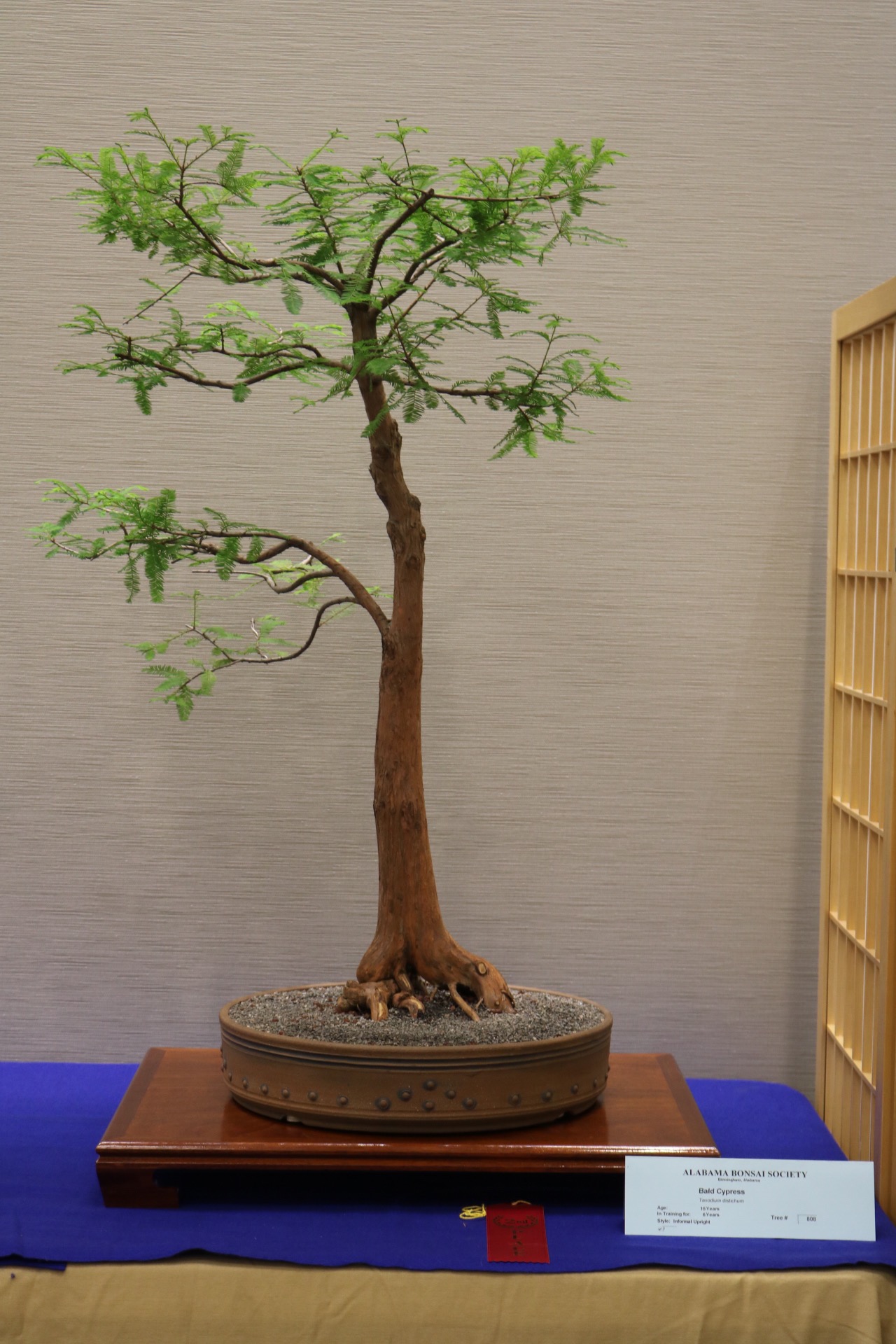
2nd place Deciduous: Bald Cypress, Ron Lang or Byron Myrick pot(?)


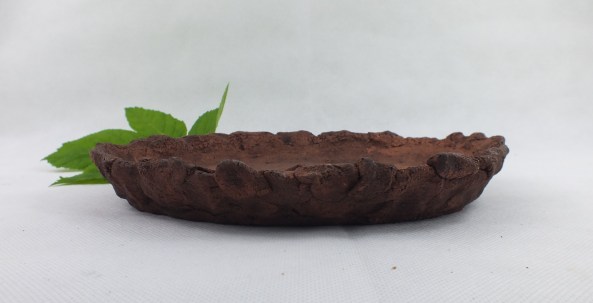
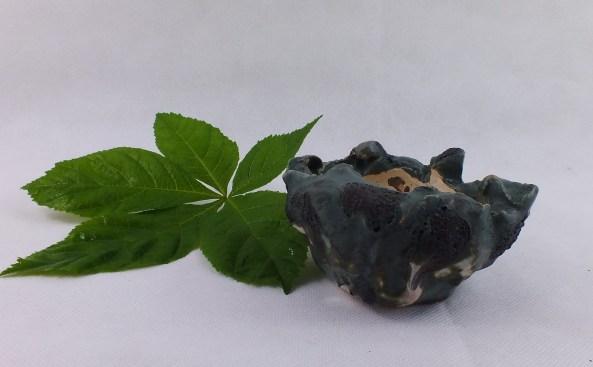
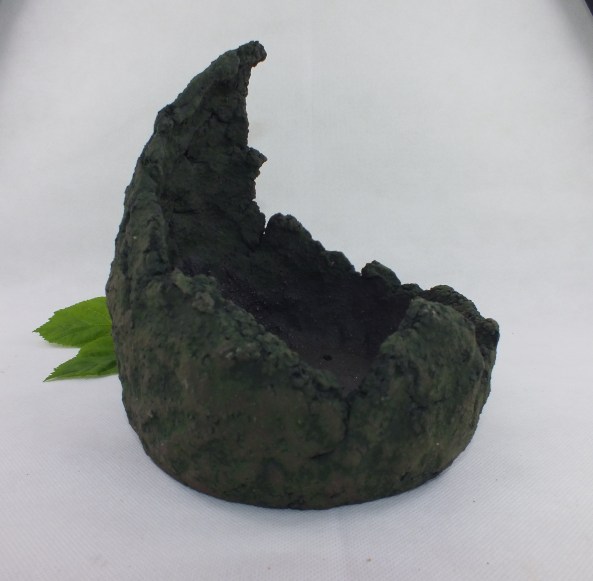
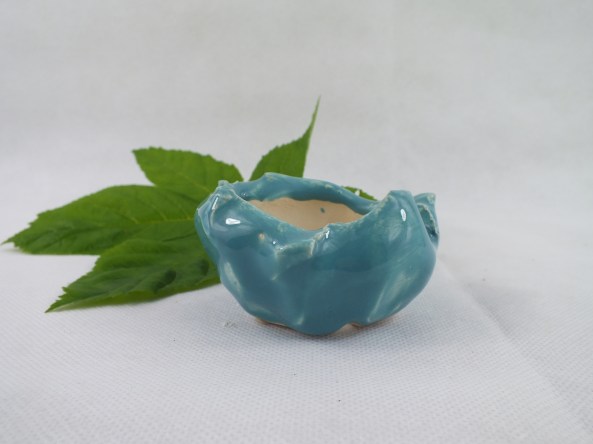
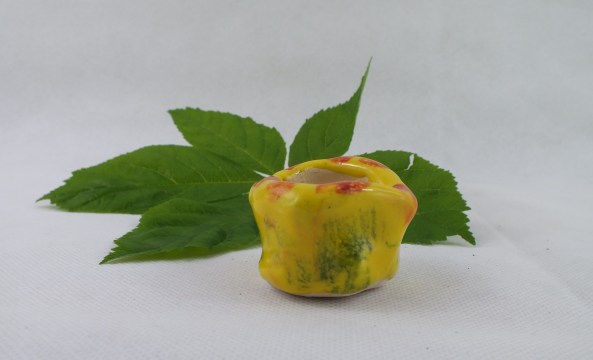
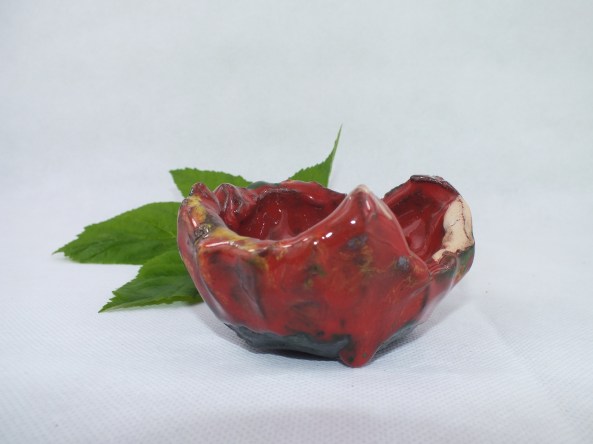
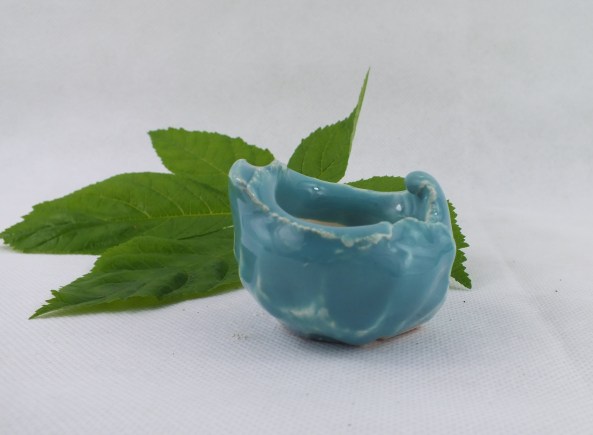


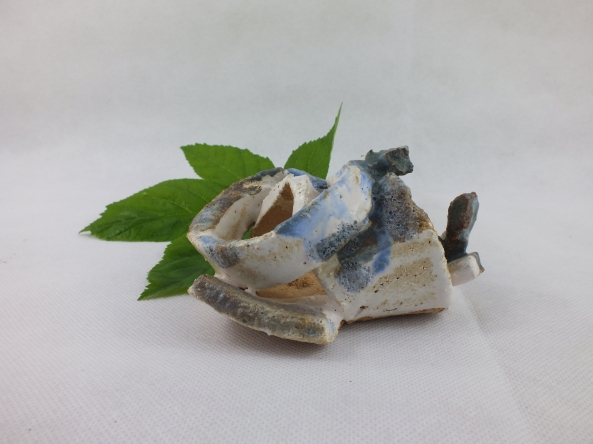


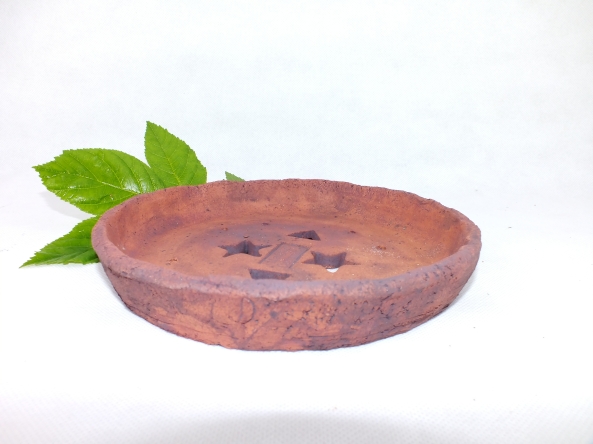


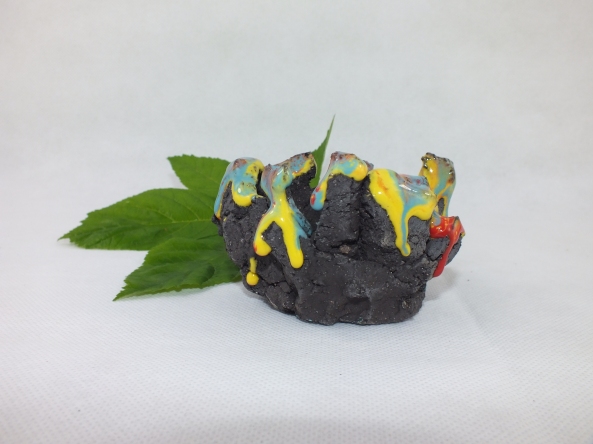












 Tempted to hit the delete button, but what the hell, I’ll leave it be. Below are my pots.








 Bonsai Eejit